English| EUR
Suggested for you
More currencies
Choose a language
Standing at 5,895 meters, Kilimanjaro draws tens of thousands of climbers each year with the promise of Africa's highest summit reached without technical gear. The question isn't whether it's possible—it's whether the six to nine days of effort, acclimatization demands, and financial commitment align with what you value in a mountain experience. This guide examines the realities behind the summit statistics.
Quick answer
Whether hiking Kilimanjaro is worth it depends on your tolerance for multi-day altitude stress and guided trekking dynamics. Summit success rates range from 45 percent on shorter routes to 85 percent on longer acclimatization profiles. The climb requires no technical skills but demands mental resilience through headaches, nausea, and fatigue above 4,000 meters. Conservation fees start at 70 USD per day, with total expedition costs spanning 1,500 to 5,000 USD depending on route and operator standards.
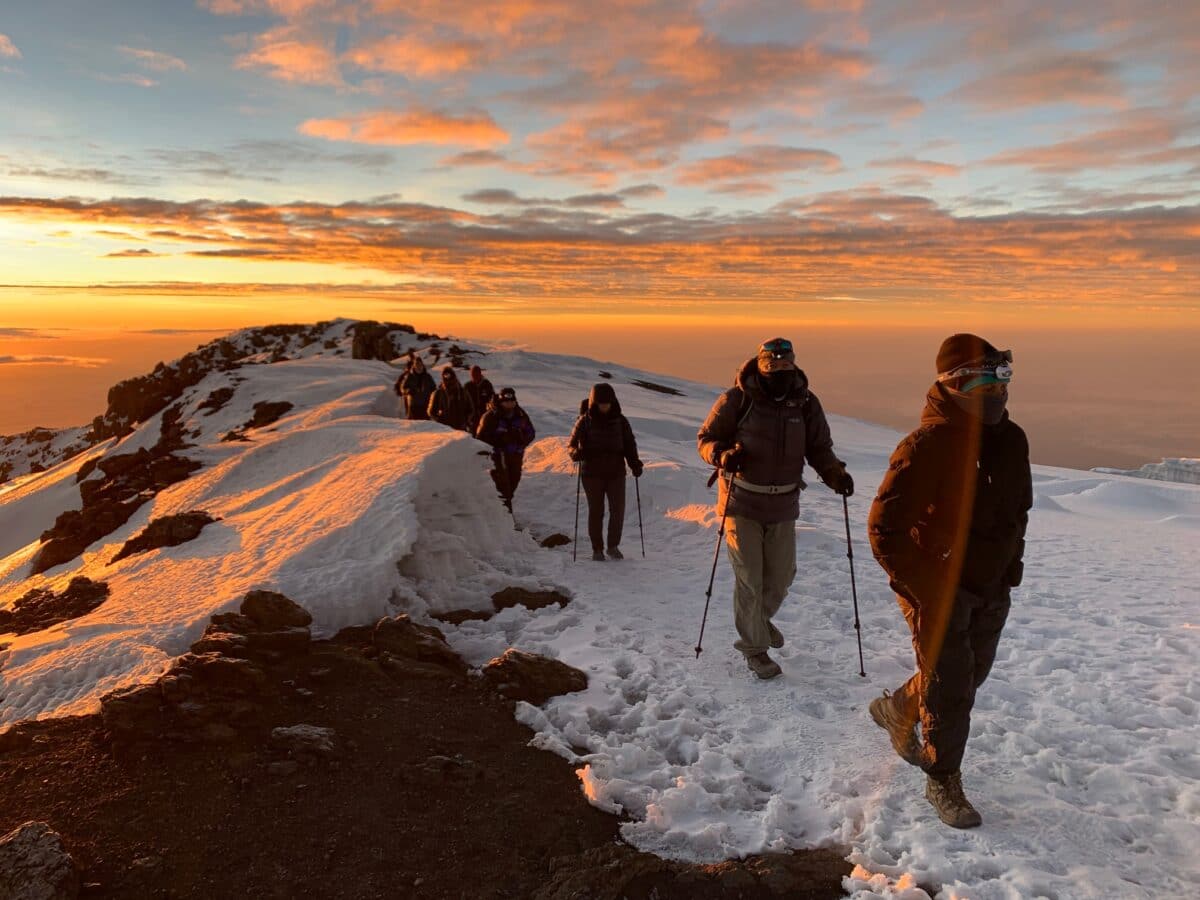
Kilimanjaro operates under a mandatory guide system—no solo ascents are permitted within Tanzania National Parks boundaries. Every climber enters through one of six designated gate stations, registers with park authorities, and ascends with a licensed operator's crew. This structure removes route-finding anxiety but introduces group pacing and logistical dependencies that shape the entire experience. The mountain's appeal rests on accessibility rather than technical challenge. Uhuru Peak sits within reach of anyone with cardiovascular fitness and the ability to walk consecutive eight-hour days while carrying a daypack. What separates successful summits from turnarounds is acclimatization strategy. Altitude sickness shows no respect for fitness level—the body's response to thin air above 4,500 meters determines outcome more than trail-running endurance or gym strength. Longer routes that build in rest days and gradual elevation gain consistently outperform compressed itineraries, a pattern visible across decades of park statistics. The question of whether climbing Mount Kilimanjaro justifies the effort hinges on what you seek from high-altitude trekking. If your motivation centers on self-supported wilderness navigation or technical climbing progression, the regulated trail system and porter-supported model may feel constrained. If the goal is reaching an iconic African summit through disciplined acclimatization and witnessing ecological zones shift from rainforest through alpine desert to glacial fields, the mountain delivers. The Machame and Lemosho routes pass through sections of primary cloud forest where colobus monkeys move through the canopy and giant groundsels mark the threshold into the heath zone. Summit night begins near midnight, a headlamp procession up scree slopes toward Stella Point and the crater rim, arriving at dawn when the glaciers catch first light. Porter welfare standards and operator transparency vary widely. Kilimanjaro Porters Assistance Project guidelines recommend minimum wages, proper gear provision, and weight limits, but enforcement depends on choosing operators committed to those protocols. The decision to attempt Kilimanjaro carries more weight than booking a standard trek—it's a week removed from communication, a test of how your body responds to hypoxia, and a financial commitment that should account for ethical crew treatment. The summit itself offers no infrastructure, no guardrails, no weather refuge—just volcanic rock, thin air, and the choice to turn back or continue based on your condition that morning.
“Altitude sickness shows no respect for fitness level—the body's response to thin air above 4,500 meters determines outcome more than trail-running endurance or gym strength.”
The optimal window for trekking Mount Kilimanjaro occurs during the drier, clearer months of January to March and June to October. These periods provide the most stable conditions for navigating the mountain within the required 06:00–18:30 park gate window.
Clear skies, 10°C to 20°C at base. These months offer warmer temperatures and less precipitation for hikers.
Cool, dry, 5°C to 15°C at base. This is the peak season, characterized by reliable visibility and stable weather.
—
Arriving at 06:00 facilitates efficient registration and avoids potential mid-day congestion at the park gates.
Verdict: The best opportunity for a successful hike is during the dry season of June to October, arriving at the park gate at 06:00 to maximize daylight for registration.
Mount Kilimanjaro park gates operate on a consistent daily schedule to ensure all hikers complete registration during daylight hours. Park access is available seven days a week between 06:00 and 18:30.
The Marangu Gate serves as the primary entry point for many visitors trekking Mount Kilimanjaro in the Kilimanjaro Region. It is most easily accessed by road from the nearby town of Moshi.
Follow the A23 road toward Marangu and proceed to the Marangu Gate signposts
Private hire from Moshi town center directly to the park gate
Local dala-dala from Moshi to Marangu village followed by a local taxi
You must plan your arrival within the best arrival window of 06:00–18:30 to ensure you reach the gate while daylight allows for mandatory park registration procedures.
Successful navigation of high-altitude terrain requires specific physiological preparation and strict adherence to established park protocols.
High altitude increases fluid loss through respiration so aim for three to four liters of water daily to assist with acclimatization. Urine color is a practical indicator of hydration status throughout the ascent.
Maintain a slow, steady walk to conserve energy and promote oxygen intake. Guides often use the phrase pole pole, which means slowly, to ensure trekkers do not overexert early in the climb.
Carry only essential items in your daypack to reduce physical strain at higher elevations. Leave heavy camera equipment or unnecessary layers in your main duffel, which is carried by the support crew.
Ensure all personal details provided during park registration match your official identification documents exactly. Discrepancies at the gate can cause unnecessary delays in processing your entry.
Condition your body by hiking on inclines with a weighted backpack several months before your trip. This builds the specific leg strength and endurance needed for the sustained uphill gradients encountered on the mountain.
Everything you need to know about is hiking kilimanjaro worth it
Many beginners find that completing this trek provides a profound sense of achievement. Assessing if hiking kilimanjaro worth it depends on your physical preparation and willingness to adapt to high altitudes.
The primary value lies in the transition through five distinct ecological zones ranging from rainforest to arctic summit. Visitors often find that the unique biodiversity and expansive vistas justify the effort required for this African landmark.
All trekkers must comply with park regulations, including the use of registered guides and porters. You must arrive at the Marangu Gate during the designated daylight hours to complete your mandatory park registration.
When considering if hiking kilimanjaro worth it, remember that costs include the conservation fee of 70 USD per person per day excluding VAT. These fees support the maintenance of the trails and the preservation of the mountain environment.
The terrain shifts dramatically as you ascend toward Uhuru Peak, offering glacial views and diverse flora. This geological variety is a major reason why many travelers conclude that hiking kilimanjaro worth it for their personal growth.
While the mountain is accessible to many, children must meet specific age requirements set by the park authorities. Proper acclimatization strategies are essential for younger hikers to ensure safety throughout the ascent.
A common error is rushing the acclimatization process, which significantly increases the risk of altitude sickness. Taking additional days to climb slowly is often the difference between reaching the summit and turning back.
Climbing outside of the primary dry seasons can present challenges due to increased precipitation on the lower slopes. While some prefer the solitude of these periods, travelers should weigh these weather conditions when deciding if hiking kilimanjaro worth it for their schedule.
Marangu Route Day Hike
Read more Tickets & toursKilimanjaro Day Hike to Mandara Hut
Read more GuideCan You Climb Kilimanjaro in a Day?
Read more Tickets & toursShira Plateau Day Hike
Read more Tickets & toursKilimanjaro Day Hike from Arusha
Read more Tickets & toursKilimanjaro Day Hike from Moshi
Read more GuideKilimanjaro Day Hike Price & Cost
Read more